Duck Breast with Fig and Red Wine
Highlighted under: International Food Studio
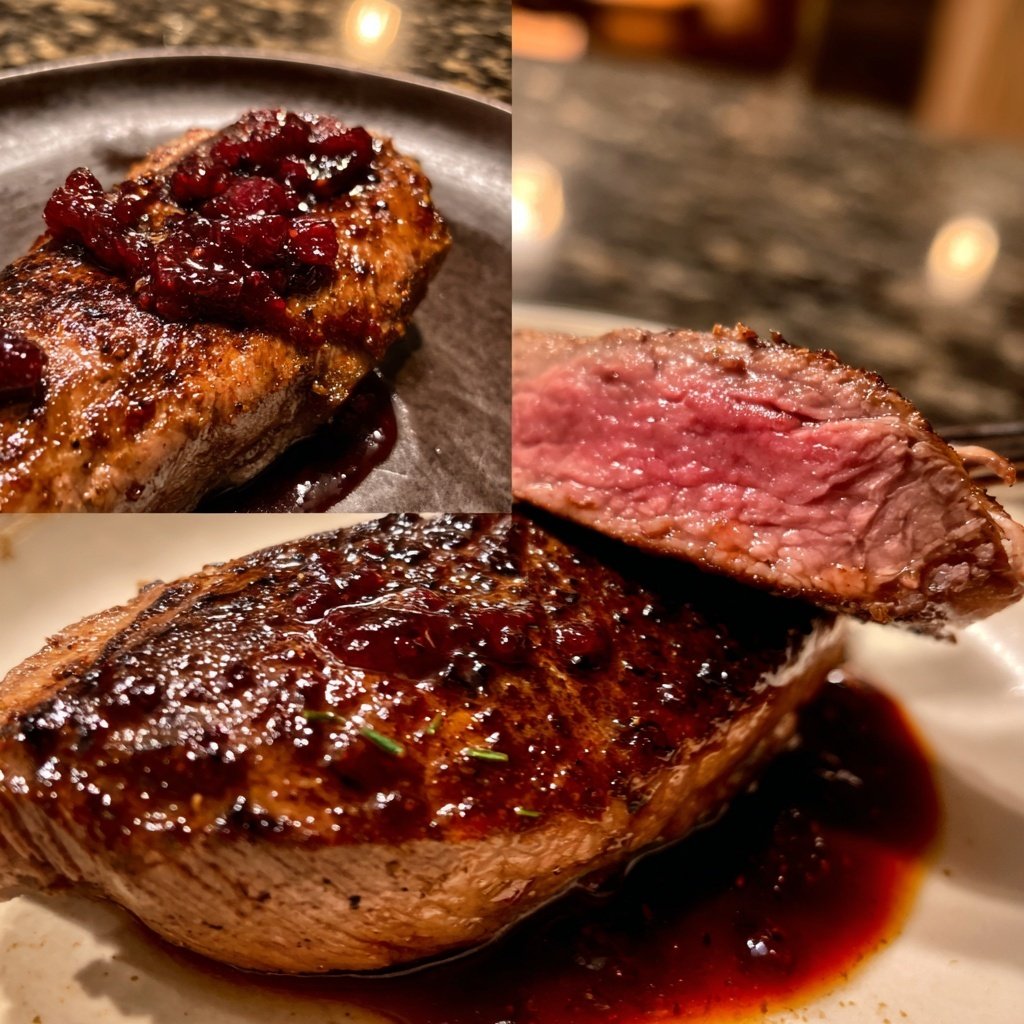
I absolutely love preparing Duck Breast with Fig and Red Wine. This dish is a beautiful combination of savory duck paired with the natural sweetness of figs, all enhanced by a rich red wine reduction. When I first tried this recipe, I was amazed at how simple yet sophisticated the flavors were. It’s perfect for a romantic dinner or a special celebration, and the best part is that it comes together in under an hour. Trust me, once you serve this, everyone will be asking for seconds!
When I first attempted this Duck Breast with Fig and Red Wine, I was pleasantly surprised by how straightforward the process was. Searing the duck skin-side down not only renders the fat perfectly, but it also creates an irresistible crispy texture. The key is to not rush the searing step—allow the skin to become beautifully golden before flipping.
The addition of fresh figs and a splash of red wine transforms a simple duck breast into a gourmet experience. I recommend using a fruity red wine to complement the figs, enhancing the overall flavor of the dish.
Why You'll Love This Recipe
- The combination of rich duck with sweet figs creates a delicious balance.
- The red wine reduction adds depth and sophistication to every bite.
- This dish is perfect for impressing guests or a cozy night in.
Mastering the Duck Breast
Getting the duck breast skin crispy is key to this dish's success. Scoring the skin allows the fat to render more effectively during cooking, resulting in that coveted crunchy texture. It's important to start cooking skin-side down over medium heat; too high of a temperature can lead to burnt skin while leaving the meat undercooked. Aim for a golden-brown crisp that you would want to eat on its own!
Let the duck rest after cooking, as this step is crucial for a juicy finished result. Resting allows the juices to redistribute throughout the meat, preventing them from running out when you slice into the breast. A rest of about 5 minutes should suffice, and during this time, you can start prepping your sauce.
Creating the Fig and Red Wine Sauce
The sauce is where the magic happens! Using the same skillet ensures you capture all the flavorful brown bits left from searing the duck, known as fond. After pouring off excess fat, add the red wine to deglaze the pan, scraping up these bits as the wine simmers. This step enhances the sauce with deep flavors and creates a rich backbone against the sweetness of the figs.
When incorporating figs into the sauce, you can substitute them with dried figs if fresh ones are unavailable, just remember to chop and perhaps soak them briefly in warm water to soften. As the sauce simmers, it will thicken and transform into a velvety reduction that complements the savory duck beautifully. Look for a glossy consistency before serving.
Ingredients
For the Duck
- 2 duck breasts
- Salt and pepper to taste
- 1 tablespoon of olive oil
For the Sauce
- 1 cup of red wine
- 1 cup of fresh figs, quartered
- 1 tablespoon of honey
- 1 tablespoon of balsamic vinegar
- 1 sprig of fresh thyme
Make sure your ingredients are fresh for the best flavor!
Instructions
Prepare the Duck
Score the skin of the duck breasts in a criss-cross pattern, being careful not to cut into the meat. Season both sides with salt and pepper.
Sear the Duck
Heat the olive oil in a skillet over medium heat. Place the duck breasts skin-side down in the skillet and cook for about 6-8 minutes until the skin is crispy and golden brown. Flip and cook for an additional 3-5 minutes until medium-rare, then remove from heat and let rest.
Make the Sauce
In the same skillet, pour off excess fat, leaving about a tablespoon. Add red wine, figs, honey, balsamic vinegar, and thyme. Simmer until reduced by half and slightly thickened, about 10-15 minutes.
Serve
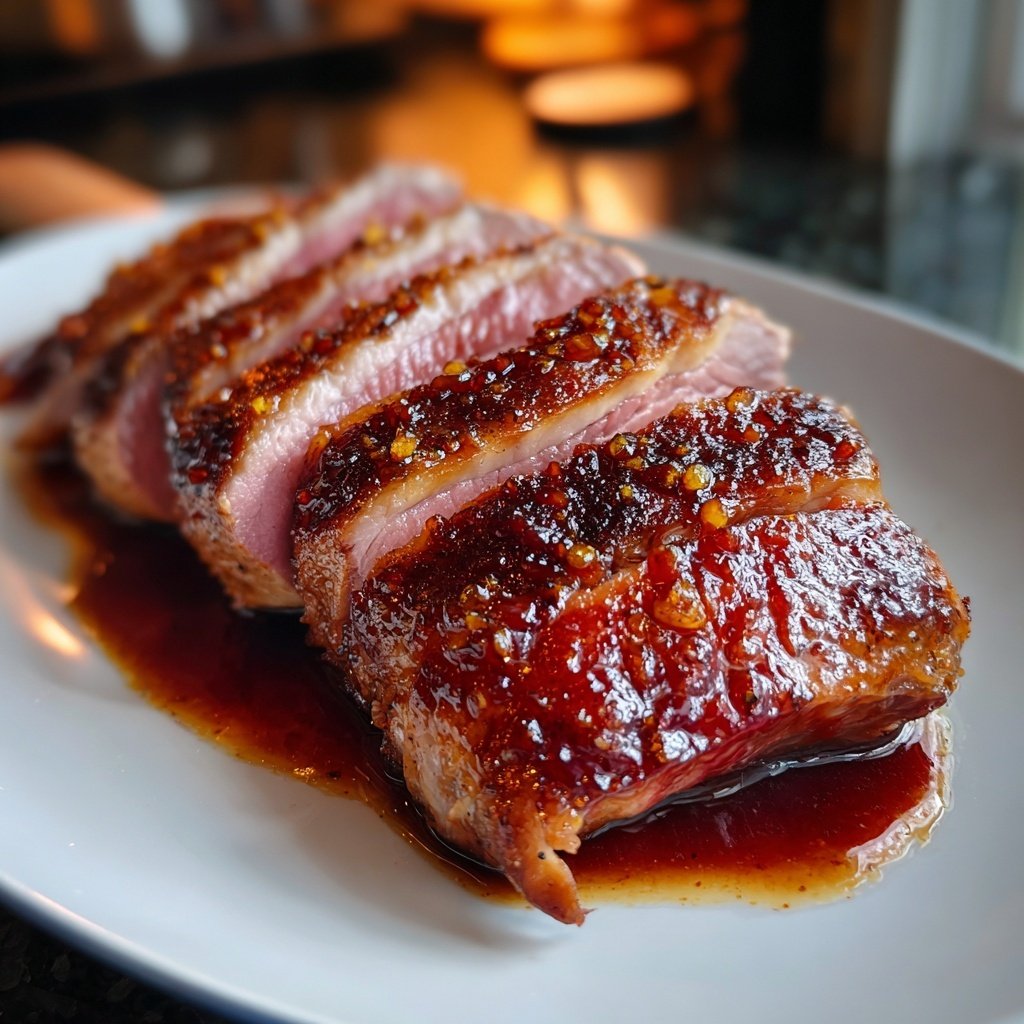
Slice the duck breasts and serve with the fig and red wine sauce drizzled over the top.
Enjoy your flavorful Duck Breast with Fig and Red Wine!
Pro Tips
- For an extra touch, serve with a side of roasted vegetables or creamy mashed potatoes.
Serving Suggestions
For an elegant presentation, slice the duck breast against the grain and fan the slices out on the plate. Drizzle the fig and red wine sauce over the top, and consider adding fresh thyme leaves or a sprinkle of freshly cracked pepper for a touch of color. Pairing this dish with creamy mashed potatoes or buttery parsnip purée enhances the experience by providing a comforting base to balance the rich flavors.
A side of sautéed seasonal vegetables like green beans or carrots can add a refreshing crunch and vibrant color to the plate. Alternatively, a simple arugula salad with a light vinaigrette can serve as a lively counterpoint to the richness of the duck.
Storage and Reheating
Leftover duck breast can be stored in an airtight container in the fridge for up to three days. When reheating, I recommend taking a gentle approach to avoid drying it out; wrap the slices in foil and warm them in a low oven (around 300°F) until just heated through. This way, the texture and flavor remain as close to freshly cooked as possible.
The fig and red wine sauce can be refrigerated separately as well and will last for about a week. To reheat, warm it on the stove over low heat, stirring occasionally until it reaches your desired serving temperature. You might want to add a splash of water or additional wine if it thickens too much during storage.
Questions About Recipes
→ What wine works best for this recipe?
A fruity red wine like Pinot Noir or Merlot pairs beautifully with the figs and duck.
→ Can I make this dish ahead of time?
It's best to prepare the duck fresh, but you can make the sauce ahead and reheat it when ready to serve.
→ What's the best way to store leftovers?
Store leftovers in an airtight container in the refrigerator for up to 3 days. Reheat gently before serving.
→ Is there a substitute for figs?
You can use dried figs or even fresh pears if figs are not available.
Duck Breast with Fig and Red Wine
Created by: Autumn Pierce
Recipe Type: International Food Studio
Skill Level: Intermediate
Final Quantity: 4 servings
What You'll Need
For the Duck
- 2 duck breasts
- Salt and pepper to taste
- 1 tablespoon of olive oil
For the Sauce
- 1 cup of red wine
- 1 cup of fresh figs, quartered
- 1 tablespoon of honey
- 1 tablespoon of balsamic vinegar
- 1 sprig of fresh thyme
How-To Steps
Score the skin of the duck breasts in a criss-cross pattern, being careful not to cut into the meat. Season both sides with salt and pepper.
Heat the olive oil in a skillet over medium heat. Place the duck breasts skin-side down in the skillet and cook for about 6-8 minutes until the skin is crispy and golden brown. Flip and cook for an additional 3-5 minutes until medium-rare, then remove from heat and let rest.
In the same skillet, pour off excess fat, leaving about a tablespoon. Add red wine, figs, honey, balsamic vinegar, and thyme. Simmer until reduced by half and slightly thickened, about 10-15 minutes.
Slice the duck breasts and serve with the fig and red wine sauce drizzled over the top.
Extra Tips
- For an extra touch, serve with a side of roasted vegetables or creamy mashed potatoes.
Nutritional Breakdown (Per Serving)
- Calories: 480 kcal
- Total Fat: 36g
- Saturated Fat: 11g
- Cholesterol: 90mg
- Sodium: 75mg
- Total Carbohydrates: 20g
- Dietary Fiber: 2g
- Sugars: 16g
- Protein: 25g